


How to get rid of head lice & nits — for good
8 July 2026 · ISpyNits
The first itch doesn't have to mean weeks of stress. Here's the calm, science-backed routine that actually breaks the cycle — spot first, then treat.
The short version
- Lice are the live insects; nits are their eggs, glued to the hair shaft.
- Blind treatment usually fails because eggs are nearly invisible and easy to miss.
- Spot first with UV light, treat thoroughly, comb, then recheck in a few days.
- Gentle, insecticide-free treatment is suitable for the whole family — always read the label.
If a note has come home from school, take a breath — head lice are one of the most common, least dangerous things a child can pick up. The trouble is that most people treat blind: they reach for a bottle, apply it, hope for the best, and find lice back a week later.
Lice vs nits: what you're actually dealing with
Head lice (Pediculus humanus capitis) are tiny, wingless insects, roughly the size of a sesame seed, that live close to the scalp and feed on blood. They can't fly or jump — they spread by direct head-to-head contact.
Nits are the eggs. A female louse glues each egg firmly to a hair shaft, usually within a centimetre of the scalp where it's warm. A freshly laid egg is translucent and very hard to see against most hair.
Why blind treatment fails
The single biggest reason families end up in a frustrating cycle is simple: you can't reliably clear what you can't see. Live lice move and avoid the light, and eggs are camouflaged against the hair. When eggs are missed, they hatch into new lice within about a week, and the infestation looks like it came back when really it never fully left.
The goal isn't to treat harder — it's to see clearly. Once you can spot every egg, the treatment side becomes straightforward.
The spot-first method
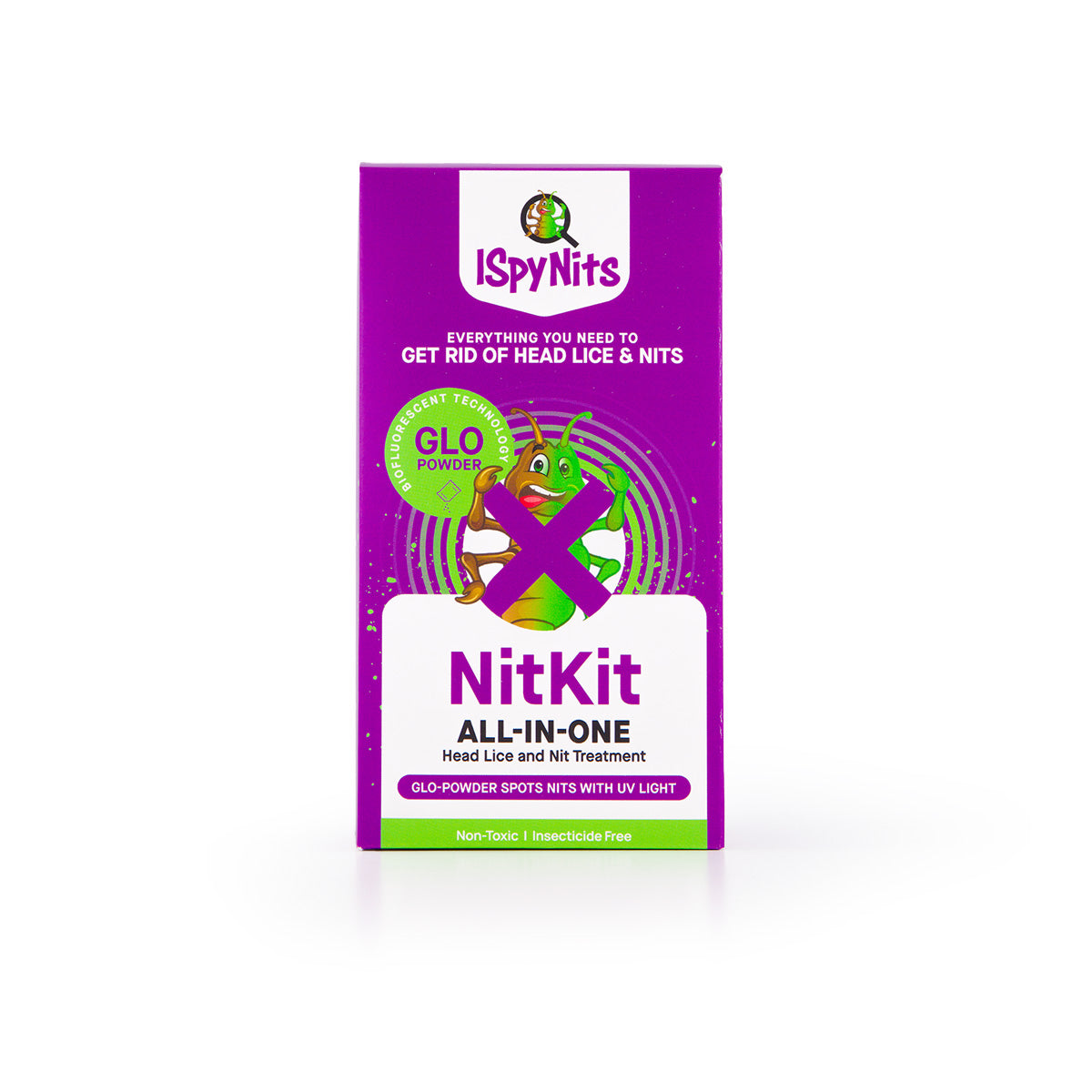
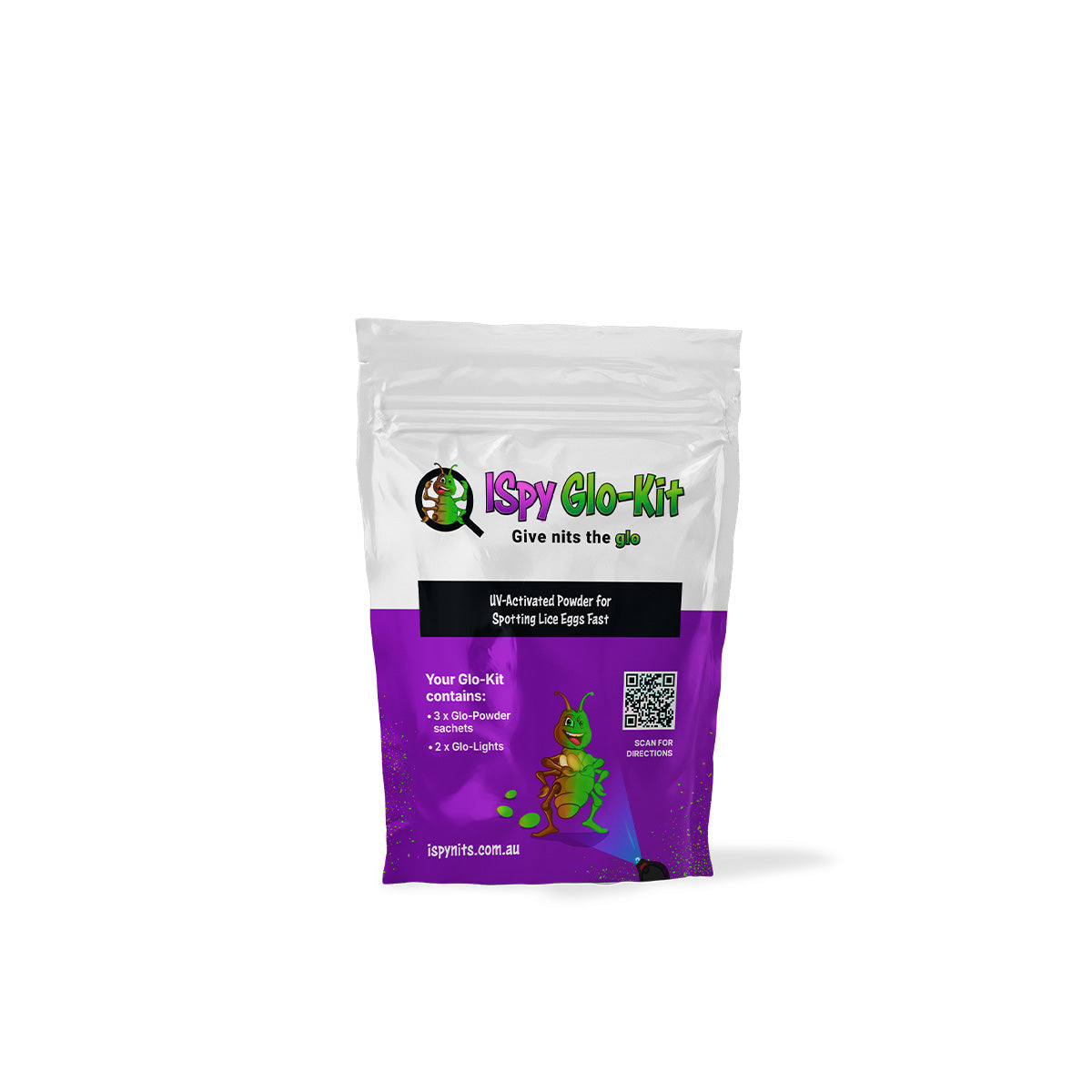
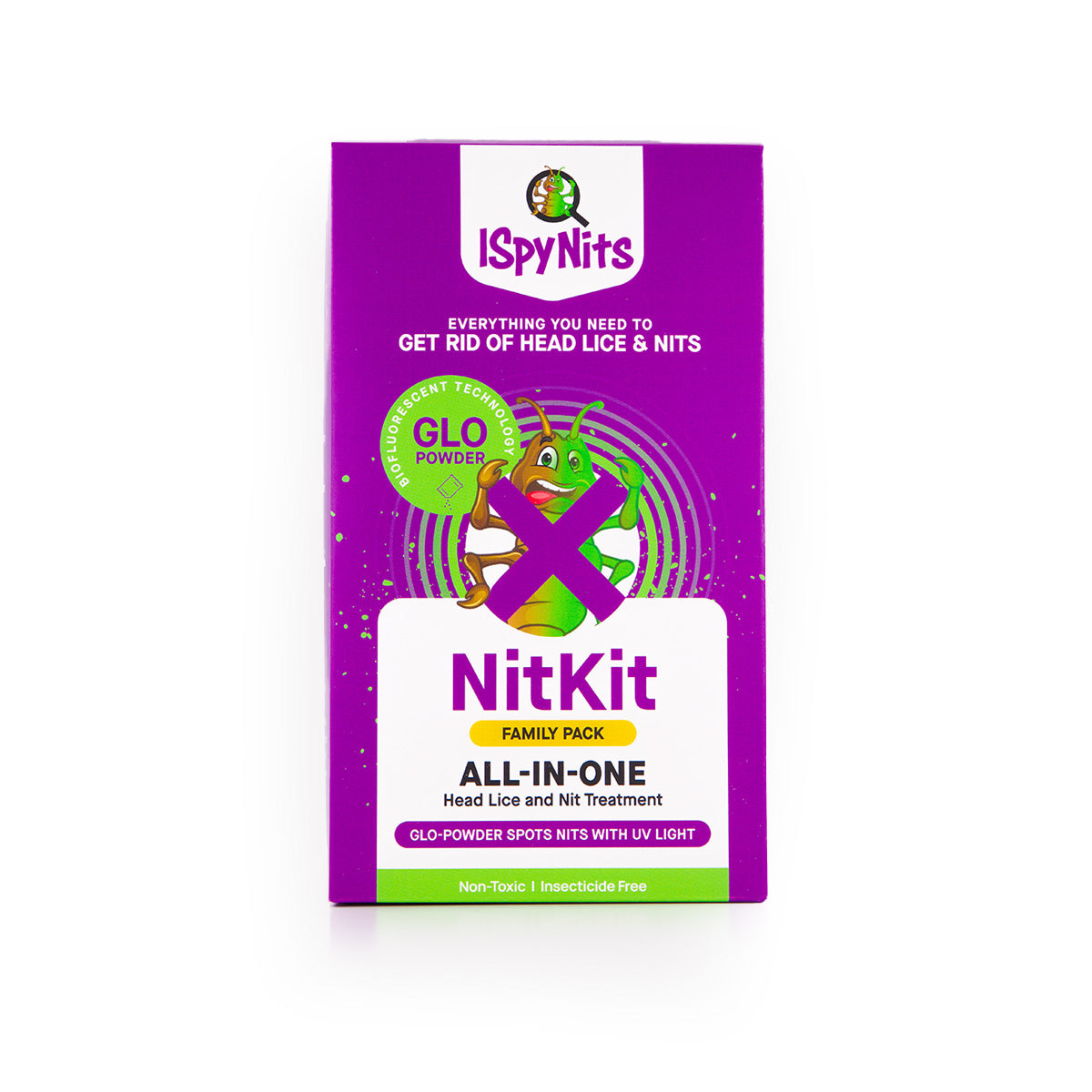
- Spot. Apply the UV Glo-Powder through dry hair, then dim the lights and shine a UV torch over the scalp. Lice eggs fluoresce — they light up — so the nits you'd normally miss become easy to find.
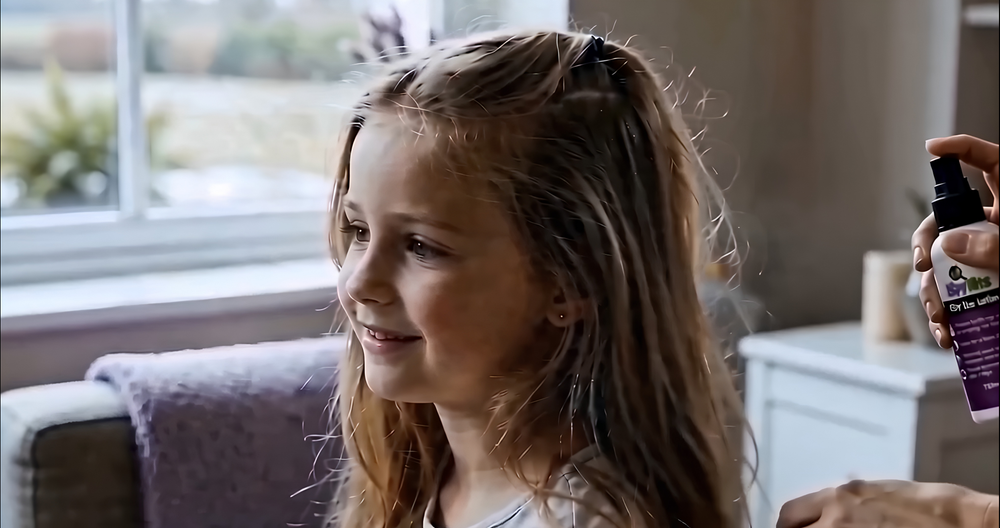
- Treat. Work the gentle, fragrance-free, insecticide-free Lice Lotion through the hair, covering the scalp and the full length of every strand, exactly as the label directs.
- Comb. Using a fine-tooth nit comb on lotion covered hair, comb from the scalp to the tip in small sections, wiping the comb after each pass.
- Recheck. Come back in a few days and again at around day seven to ten, using the UV light each time.
Common mistakes to avoid
- Stopping after one round. Eggs missed on day one can hatch later. The recheck is not optional.
- Skipping the comb. Combing removes lice and loosened eggs that any treatment alone leaves behind.
- Treating only one person. Check everyone in the household on the same day.
- Over-washing the house. Lice don't live long away from a human head, so deep-cleaning the entire home is rarely needed.
- Blaming hygiene. Lice have nothing to do with cleanliness — they're a sign of contact.
When to see a pharmacist
Most head lice are easily managed at home. It's worth a chat with your pharmacist or GP if the scalp looks infected, if your child is under two, if you're pregnant or breastfeeding, or if repeated, careful treatment simply isn't working.
A bit of reassurance
Head lice are itchy and inconvenient, but they're harmless and extremely common. With the spot-first routine, you swap weeks of guesswork for a clear, repeatable process. Spot them, treat them, comb them out, check again — and you're done. Always read the label and follow the directions for use.